
THE KINGTALII PEPPER ARCHIVE
Fish Pepper: The African American Heirloom That Nearly Disappeared

The Kingtalii Pepper Archive
Documenting the history, genetics & people behind the world’s peppers.
The Fish Pepper is one of America’s most culturally important heirloom peppers. Its story connects Caribbean pepper traditions, Black gardeners and cooks in the Mid-Atlantic, the seafood kitchens of Baltimore and Philadelphia, African American artist Horace Pippin, and a handful of old seeds that helped bring a nearly forgotten variety back into cultivation.
Archive Profile
Name: Fish Pepper
Species: Capsicum annuum
Historic region: Chesapeake Bay and Mid-Atlantic United States
Earlier roots: Caribbean; the exact route and original source remain uncertain
Heat: Commonly reported around 5,000–30,000 Scoville Heat Units
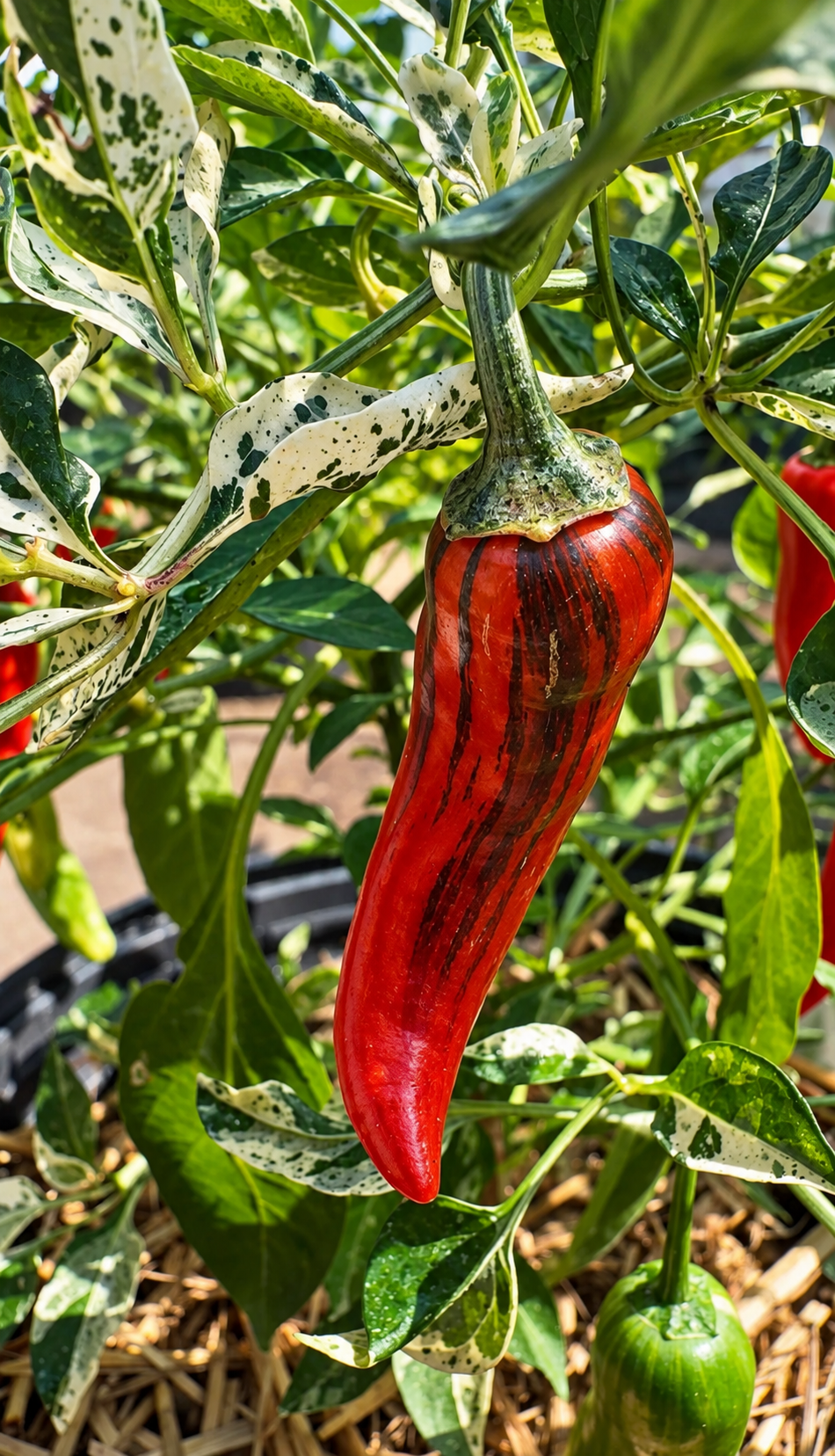
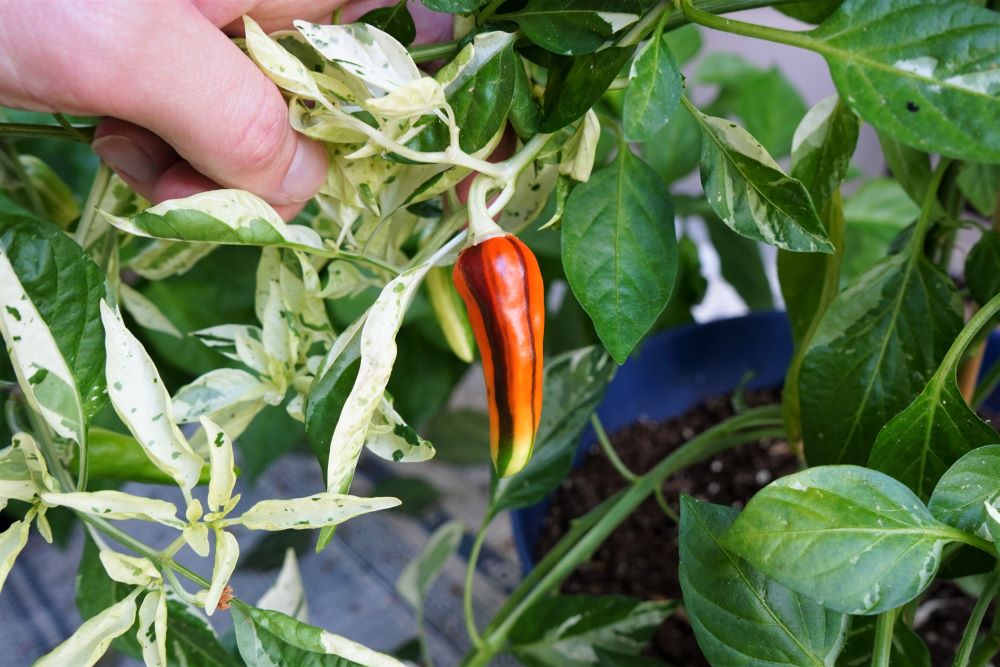
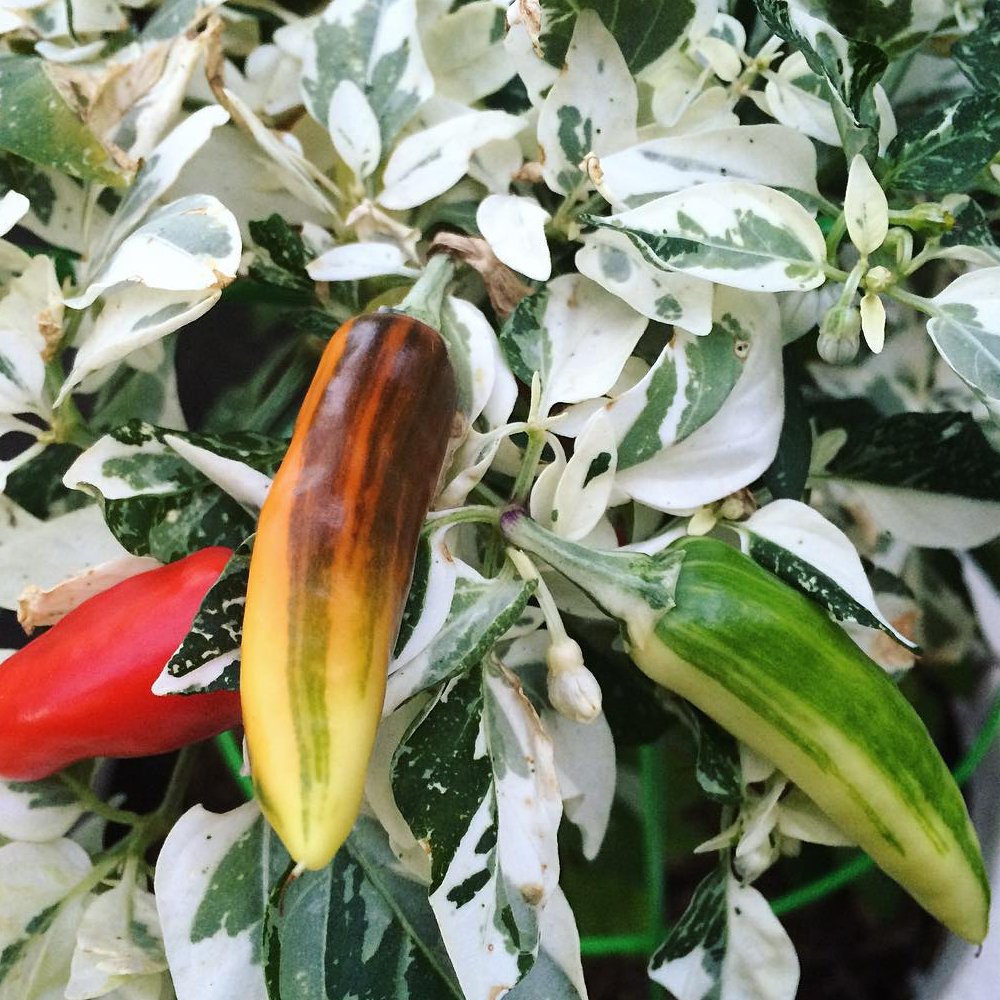
Notable traits: Variegated foliage and pods that may begin pale or striped before maturing toward orange and red
Historic use: Seafood dishes and light-colored sauces
A Pepper Preserved Through Black Foodways
The Fish Pepper became closely associated with African American gardening and cooking communities around the Chesapeake and Mid-Atlantic. Historical accounts place it in Black culinary culture in Baltimore and Philadelphia by the nineteenth century, where hot peppers were important ingredients in seafood cookery.
One of the Fish Pepper’s most useful characteristics was its pale immature fruit. Black cooks and caterers could use young, light-colored peppers to add heat to cream-based seafood dishes without dramatically changing the appearance of the sauce. That practical culinary trait is closely tied to the pepper’s association with fish, crab and oyster dishes—and ultimately to the name by which we know it today.
Where Did the Fish Pepper Come From?
The deeper origin of the Fish Pepper is not completely documented. Multiple historical accounts point toward Caribbean roots, and Haiti is sometimes proposed as part of the pepper’s route into the Chesapeake. What can be said with greater confidence is that Black growers and cooks in the Mid-Atlantic played a central role in maintaining, selecting and using the variety.
This distinction matters to the Archive: pepper history often contains a mixture of documented evidence, oral tradition and later retellings. When the historical record is uncertain, we will say so rather than turn a possibility into a fact.
The Horace Pippin Connection
One of the most remarkable chapters in the Fish Pepper story involves Horace Pippin, the celebrated African American painter from West Chester, Pennsylvania. Pippin was wounded while serving in World War I and lived with lasting problems in his right arm.
During the 1940s, Pippin traded seeds—including Fish Pepper seed—to beekeeper and seed collector H. Ralph Weaver in connection with bee-sting therapy. Pippin’s seed sharing became an unexpected bridge between an older Black gardening tradition and the pepper’s modern survival.

A Pepper Nearly Lost
During the twentieth century, the Fish Pepper faded from widespread use. Changes in urban life, home gardening, restaurants and Chesapeake seafood culture all contributed to the decline of the environments that had helped keep it alive.
Eventually, the variety became extremely difficult to find. The pepper had not simply fallen out of fashion; an important piece of African American culinary and gardening heritage was at risk of disappearing with it.
The Seeds That Brought It Back
Seeds preserved by the Weaver family ultimately reached H. Ralph Weaver’s grandson, food historian and seed preservationist William Woys Weaver. In 1995, Fish Pepper seed was offered through the Seed Savers Exchange, helping return the variety to gardeners and seed keepers.
That revival is why Fish Pepper can once again be grown today. Its survival is a reminder that seed preservation is not only about genetics. Saving seed can preserve recipes, communities, migration stories and cultural memory.
Why the Fish Pepper Looks Different
Fish Pepper plants are famous for their variegation. Leaves can display irregular green-and-white patterns, while developing fruit may show pale coloration and green striping before eventually ripening through warmer colors toward red.
That visual character makes Fish Pepper valuable not only as a culinary pepper but also as an ornamental plant. More importantly, the pale-fruit trait had a real culinary purpose in the kitchens where the pepper became historically significant.
Why Fish Pepper Belongs in the Kingtalii Pepper Archive
Fish Pepper represents exactly what this archive is meant to document. A pepper is more than a heat rating or pod shape. Behind a variety can be generations of growers, cooks, seed savers, migration, selection and culture.
The Fish Pepper survived because people kept it alive—even when the broader seed trade and food culture moved on. Its story belongs to African American food history, Chesapeake culinary history and the larger history of pepper preservation in the United States.
Archive note: As additional primary records and credible historical research become available, this entry may be expanded or corrected. The Kingtalii Pepper Archive separates documented history from claims that remain uncertain.
Sources & Further Reading
- Smithsonian National Museum of American History — From the Victory Garden: Fish Pepper
- Smithsonian Gardens — The Fish Pepper
- The Metropolitan Museum of Art — Considering Horace Pippin
- Chesapeake Bay Magazine — Fish Peppers
- Kingtalii Seed Collection — Fish Pepper Seeds
- Cornell University — Fish Pepper variety profile
The Kingtalii Pepper Archive — Documenting the history, genetics & people behind the world’s peppers.
HELP BUILD THE RECORD
Know something we should add—or correct?
The Kingtalii Pepper Archive is a living record. Growers, breeders, seed keepers and people who were there can help make each story stronger. If you have a correction, firsthand history, original documentation, or photographs that belong in the record, send them for review.
See a date, breeder detail, lineage claim or historical point that needs another look? Tell us what should be corrected and, when possible, include the source.
Share firsthand grower or breeder knowledge, early seed sources, dates, selections, phenotype history or context that may be missing from the current record.
Contribute plant, pod, early-generation or historical images you own or have permission to share. Accepted contributions can be credited to you.
Community input is reviewed before it becomes part of the Archive. Claims may be labeled Verified, Breeder-Reported, Grower-Reported, Commonly Reported or Unresolved. A submission gives us evidence to investigate—it does not automatically become historical fact.
Please include the pepper name, what you know, how you know it, any dates or sources you have, and whether submitted photos are your own. By submitting a photo, you confirm you own it or have permission to share it for Archive review.